
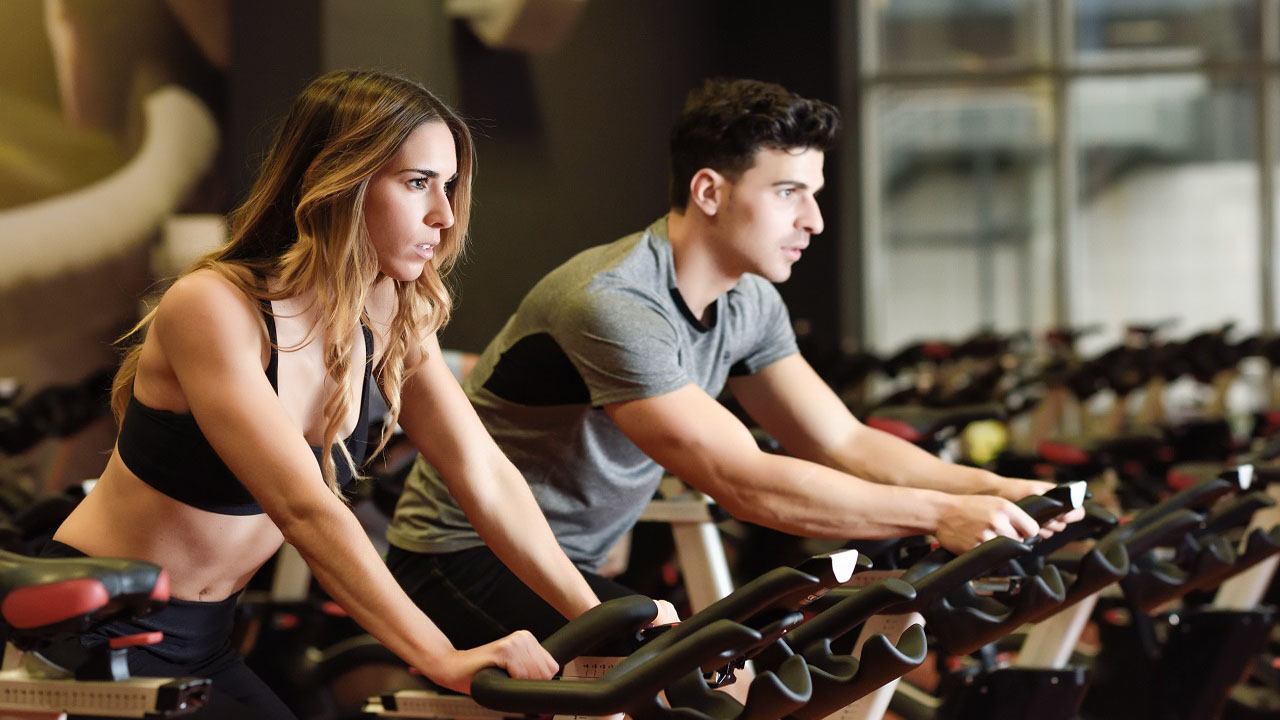
Our chairs seem to be the new lean-mean killer machines. And the money we spent buying running shoes, the new gym clothes and the determination to lay off those pounds are all worthy goals. But then again, we live in an age of fads. When one sizzles out, ten new are already making their way across social media.
29 Jan, 2020 | A WP Life | No Comments
High Protein Content in Fibre-Rich Diet May Cause Bloating Finds A Study

High-fiber diets are said to cause a little bloating by stimulating some fiber-digesting gut bacteria species, which produce gas as a by-product. Fiber is an important nutrient that should be consumed regularly.

It was the late 1880s in the city of Rajkot, India. The meeting was to take place on the banks of the local river – and discretion was essential. Mahatma Gandhi, who was just a teenager at the time, hadn’t told his parents where he was going; if they had found out, they would have been shocked to death.
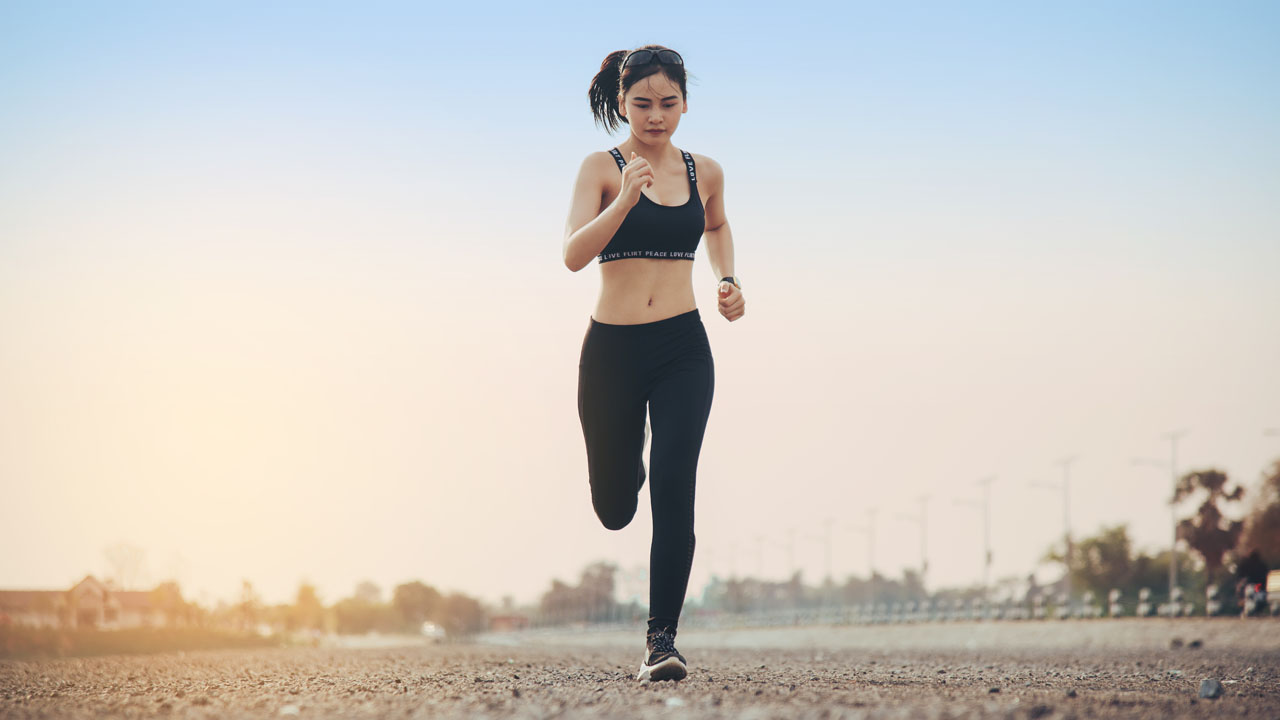
When you are struggling with your mental health, getting active may be one of the last things you feel like doing.
But, if you can muster the energy, evidence shows that exercise has a powerfully beneficial effect.
One study last year, published in the medical journal Jama Psychiatry, found that physical activity is an effective prevention strategy for depression.
Another 2015 paper found that exercise can be as helpful in treating mild to moderate depression as antidepressants and psychotherapy.
“We have known for a long time that exercise promotes physiological and neurochemical responses that make you feel good,” says Professor Nanette Mutrie of the University of Edinburgh’s Institute for Sport, Physical Education, and Health Sciences.
When we exercise, the brain releases endorphins, as well as dopamine and serotonin.
“Very often, these same chemicals from part of antidepressant drugs,” she says.
There is also a psychological component to exercise that makes us feel good.
Prof Mutrie explains: “When you’re exercising, you are improving your self-esteem, mastering a new task and meeting new people.
“All of this forms part of the mix. There’s this synergy of positive things that are happening.”
If you are struggling with your mental health and are anxious about exercise, the best advice is to start small.
Most smartphones now have pedometers, so you can track your steps: 7,000 steps a day is a good target to set yourself, with the aim of eventually increasing it to around 10,000 steps daily.
Jermaine Johnson, another personal trainer who often trains clients with depression and anxiety, suggests avoiding cardio.
“That can raise the heart rate and fuel your anxiety,” he says.
Instead, he suggests trying out strength training.
“I’ve trained people with depression who’ve said weightlifting made a big difference,” he says.
Because you can measure your progress with weight training – heavier weights or more repetitions – you will be able to see how much you are improving, which can lift your mood.
And you do not have to exercise all the time.
“If you want to optimize your exercise regimen for your mental health, according to our research, exercising for 45 minutes at a time, three to five times a week, has the most beneficial mental health effects,” says Dr. Adam Chekroud of Yale School of Medicine.
He is the co-author of one of the biggest studies into exercise and mental health, which looked at 1.2 million adults in the United States. He says that cycling and team sports will give you the biggest boost, but even walking or doing household chores is better than nothing.
Just being in nature has also been shown to have beneficial mental health effects.
“You need sunlight for vitamin D, and vitamin D lifts your mood,” says Overall.
If you feel up to being around other people, group exercise can also help.
“When it comes to depression or stress, these conditions have a biological underpinning, but they also have social components,” Dr. Chekroud says.
The sense of community you feel like part of a sports team can have a brightening effect on your mood.
“It takes the attention away from the individual,” says Johnson.
But, if you are feeling very anxious before a class, give the trainer a heads-up that you are not feeling great, and might slip out early – and pick a spot near the door for minimum fuss.
Johnson recommends starting with a yoga or barre class, rather than a circuit class, as often these involve partner-work, which can be difficult for those with social anxiety. Whatever you are doing, pick a beginner’s class.
“If a class is too intense, you’re going to feel like you’re doing badly, and you may end up feeling worse than you did when you arrived,” he says. “That is definitely not the goal.”
Anyone struggling with body dysmorphia “should avoid gyms, as they are full of mirrors”, says Overall. “Instead, take things outside if you can.”
Try jogging or doing a high-intensity interval training workout in the park.
If you are in recovery from an eating disorder, Overall recommends creating an exercise plan under the supervision of a mental health professional, to avoid overdoing it.
“Otherwise, it’s like an alcoholic going back to a pub. It’s got to be carefully managed,” she says.
If you do not feel as if you can leave your house, there are plenty of fitness videos online that you can do at home. Try Fitness Blender, or download the Nike app.
When you are exercising, it is absolutely fine to take a break or stop entirely, if you are feeling overwhelmed.
When you are struggling with your mental health, it is easy to get trapped in a spiral of negative thoughts and think that everyone in your gym is watching you. But they are almost certainly not and are focusing on their own workout.
Finally, the act of putting on a pair of trainers can, on its own, be a form of self-care.
“Even if you leave after a few minutes, you’ve already achieved something just by going to the gym,” says Johnson.
Focus on the fact that you went to the gym in the first place, not that you left. And take everything one step at a time. You’re in control.
THE GUARDIAN
Reference: https://www.straitstimes.com/sport/exercise-for-better-mental-health

Europe’s largest-ever digital health hackathon is taking place in Edinburgh, Scotland, from Thursday 20 February – Sunday 23 February 2020.
Join us as hundreds of health professionals, entrepreneurs, intrapreneurs, designers and technologists will spend 75 hours realizing the future of health and social care.
Open to everyone from unlikely innovators to seasoned founders; whether you want to launch a startup, develop a product within an existing organization, solve a problem that you have studied at university, or just develop new skills, this event will leave you equipped will the mindset, teammates and tools for disruption.
There will be a special “sport and mental health” track, and you can take part remotely (or in-person) in three ways:
- You can be a mentor
- You can be a panel judge
- You can be a participant
The event is an immersive experience lasting four days and four nights, in which participants will design and build a solution to a challenge in the sport and mental health sector. Participants will be in a multi-disciplinary team made up of tech experts, sector experts, and business development experts. Participants will also receive mentoring from the track mentors. At the end of the four days, teams will present their creations and are awarded points by a panel of judges who have expertise in the area. The idea is that these creations go on to become real technologies or businesses that make a sustainable impact!
This event is being hosted and co-sponsored by The Crags Centre, a community sports center in Edinburgh that helps people grow, on and off the court.
Referance: https://www.sportanddev.org/en/event/sport-and-mental-health-hackathon
29 Jan, 2020 | A WP Life | No Comments
Technology Promising Better Fitness Results In Less Time At The Gym

At Exercise Coach in Southlake, the workouts are short but tough. The owner claims you only need 20 minutes to get a full-body workout.
“The machine measures a client’s ability to exert force,” Mike Sims said. “It stores that information. then the next time the client gets onto the machine the trainer enters a client’s pain and the machine automatically calibrates itself to reflect that client’s ability.”
This type of technology is gathering strength in the fitness industry, especially for those wanting shorter, more intense gym sessions. Hotworx uses infrared heat to ramp up your workouts.
You can take classes that range from 15 to 30 minutes inside a heated studio.
Creators claim it’s more effective because when your core temperature rises, it speeds up your metabolism.
As for the infrared energy, it’s supposed to help accelerate your workout recovery.
According to The Mayo Clinic, several studies have been done using infrared saunas and researchers have found evidence of possible benefits for those with chronic health problems, but experts say more studies are needed.
Utopia is a gym that takes a more comprehensive approach. It combines food and fitness.
“We do a custom program,” said founder Kirk Wilder. Clients work out 20 minutes, twice a week. “At the time that they workout, they pick up either three days of food or four days of food, which will cover them for the seven days.”
Wilder told us Utopia also uses special gym equipment for an effective workout.
“That 20-minute workout equals 30 minutes of cardiovascular exercise, and 50 minutes of convention strength training,” Wilder said.
Referance: https://dfw.cbslocal.com/2020/01/28/technology-fitness-results-gym/

Spotlight analyzed the 2018/2019 neonatal mortality rates in all the provinces and found that the majority did not show decreased death rates. According to provincial health department annual reports, reasons for this included overcrowded and understaffed hospitals, and high infection rates as a result.
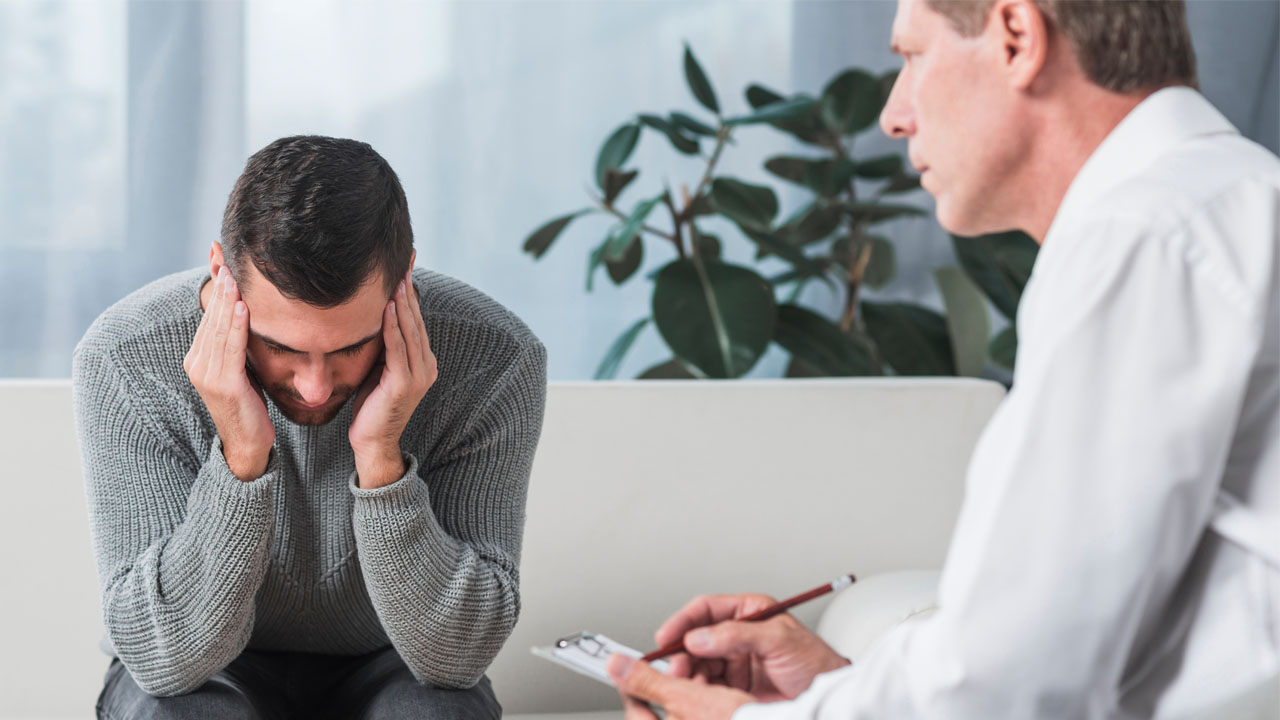
Marc is an 11-year-old boy who was seen in our hospital’s Urgent Care Clinic after he was referred there from the Emergency Department (ED). His parents had taken him thereafter he told them he wanted to kill himself.
It wasn’t the first time Marc had told his parents he wanted to die. He said the same thing a year earlier after having cut his forearm with scissors and considering hanging himself with a belt. When the psychiatrist asked Marc how and when he was first exposed to self-harm and suicide, he answered, “I don’t remember not knowing about it; it’s everywhere—social media, online, television, my friends. Everyone talks about it.”
As mental health professionals, we feel privileged to work with children and families to address their mental health challenges and to see their return to health. But after a shared six decades working as a child and adolescent psychiatrists, we are alarmed, more alarmed than we have ever been in our long careers, as we see trends going in the wrong direction.
You may have already read that hospital EDs have seen unprecedented numbers of young people presenting with self-inflicted injuries, thoughts of suicide, and suicide attempts. More of them are getting admitted to hospitals—generally a last resort, given the necessarily restrictive nature of psychiatric inpatient units and the risk of “cocooning” the child to an extent that makes it harder to return to “real life” at discharge. Even more tragically, the rate of deaths by suicide is climbing among children and teens in the United States, particularly among females. We don’t have reliable national data in Canada at this point but are concerned there may be a similar trend.
As a child and adolescent psychiatrists working in a large Canadian urban children’s hospital with a busy emergency department, we are living with this new reality. As we—together with scientists, public health experts, other mental health professionals, children, and families—seek answers to the reasons for these alarming trends, we know one thing for certain. We need to come together as a community to address this crisis; no single family, no single mental health professional, no single school, no single policy, no single piece of legislation will be sufficient to push back against these alarming statistics without all of us working together.
There are a number of theories, many of them persuasive, regarding potential contributors to this increase in ED visits for self-harm and suicidal thoughts and behaviors. One, which has a positive side, is a new willingness among children and families to speak up about mental health concerns and to seek help. As mental health professionals, we are delighted by this and need to work with hospital leaders and policymakers to ensure that this courage is received with appropriate services and support.
However, the rise in admissions and completed suicides also has darker roots. We know the negative impact that high rates of social media use can have on mental health, particularly among young girls who are its most active users. The constant comparison to celebrities, to shiny images of social success, can be toxic for even reasonably confident adolescents. Social media and the internet have also permitted some sinister movements—cyberbullying on a 24/7 cycle and sites that promote self-harm and suicidal behaviors with encouragement, methods, and a sense of community. Indirect impacts of our children’s engagement with their electronic devices are their effects on sleep and levels of physical activity; disruptions to both are known to be major contributors to negative effects on mental health.
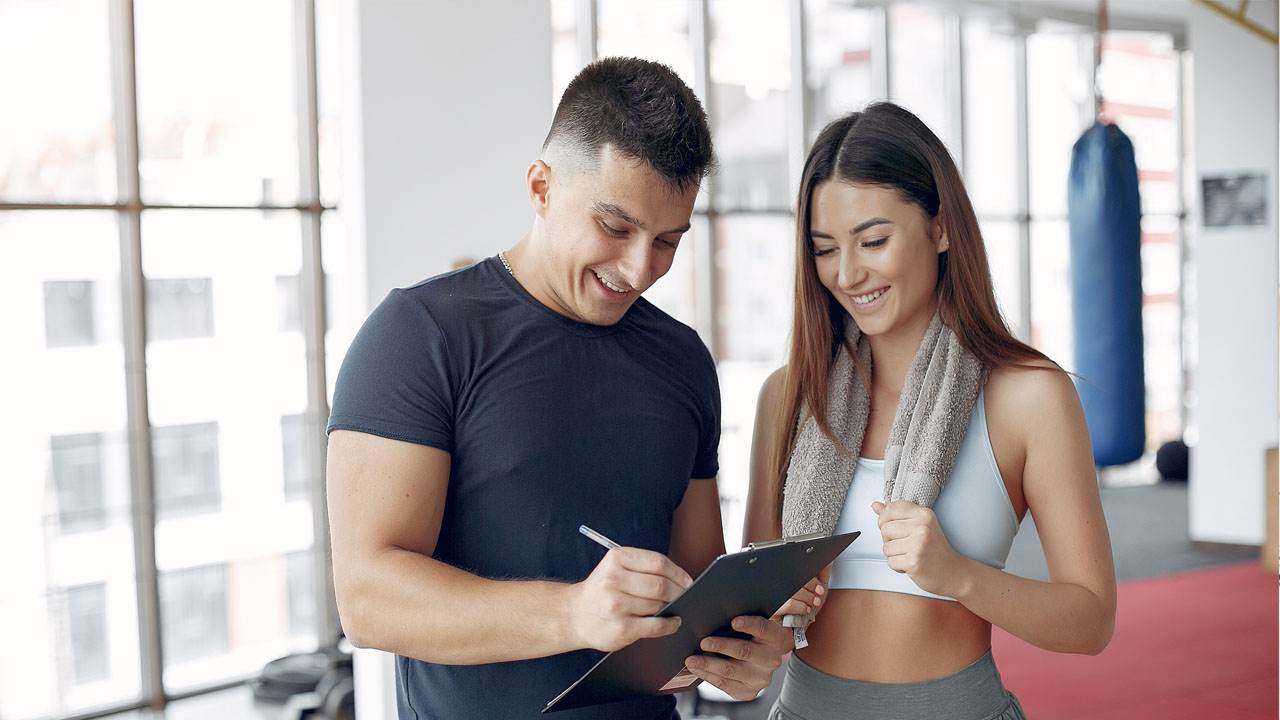
A number of recent long-term studies have linked greater optimism to a lower risk of developing cardiovascular disease and other chronic ailments and to fostering “exceptional longevity.”
My husband and I were psychological opposites. I’ve always seen the glass as half-full; to him it was half-empty. That difference, research findings suggest, is likely why I pursue good health habits with a vengeance while he was far less inclined to follow the health-promoting lifestyle I advocated.
I’m no cockeyed optimist, but I’ve long believed that how I eat and exercise, as well as how I view the world, can benefit my mental and physical well-being.
An increasing number of recent long-term studies have linked greater optimism to a lower risk of developing cardiovascular disease and other chronic ailments and to fostering “exceptional longevity,” a category one team of researchers used for people who live to 85 and beyond.
Admittedly, the relationship between optimism and better health and longer life is still only a correlation that doesn’t prove cause and effect. But there is also no biological evidence to suggest that optimism can have a direct impact on health, which should encourage both the medical profession and individuals to do more to foster optimism as a potential health benefit.
According to Dr. Alan Rozanski, one of the field’s primary researchers, “It’s never too early and it’s never too late to foster optimism. From teenagers to people in their 90s, all have better outcomes if they’re optimistic.”
Dr. Rozanski is a cardiologist at Mount Sinai St. Luke’s Hospital in New York who became interested in optimism while working in a cardiac rehabilitation program early in his career.
Referance: https://www.nytimes.com/2020/01/27/well/mind/optimism-health-longevity.html