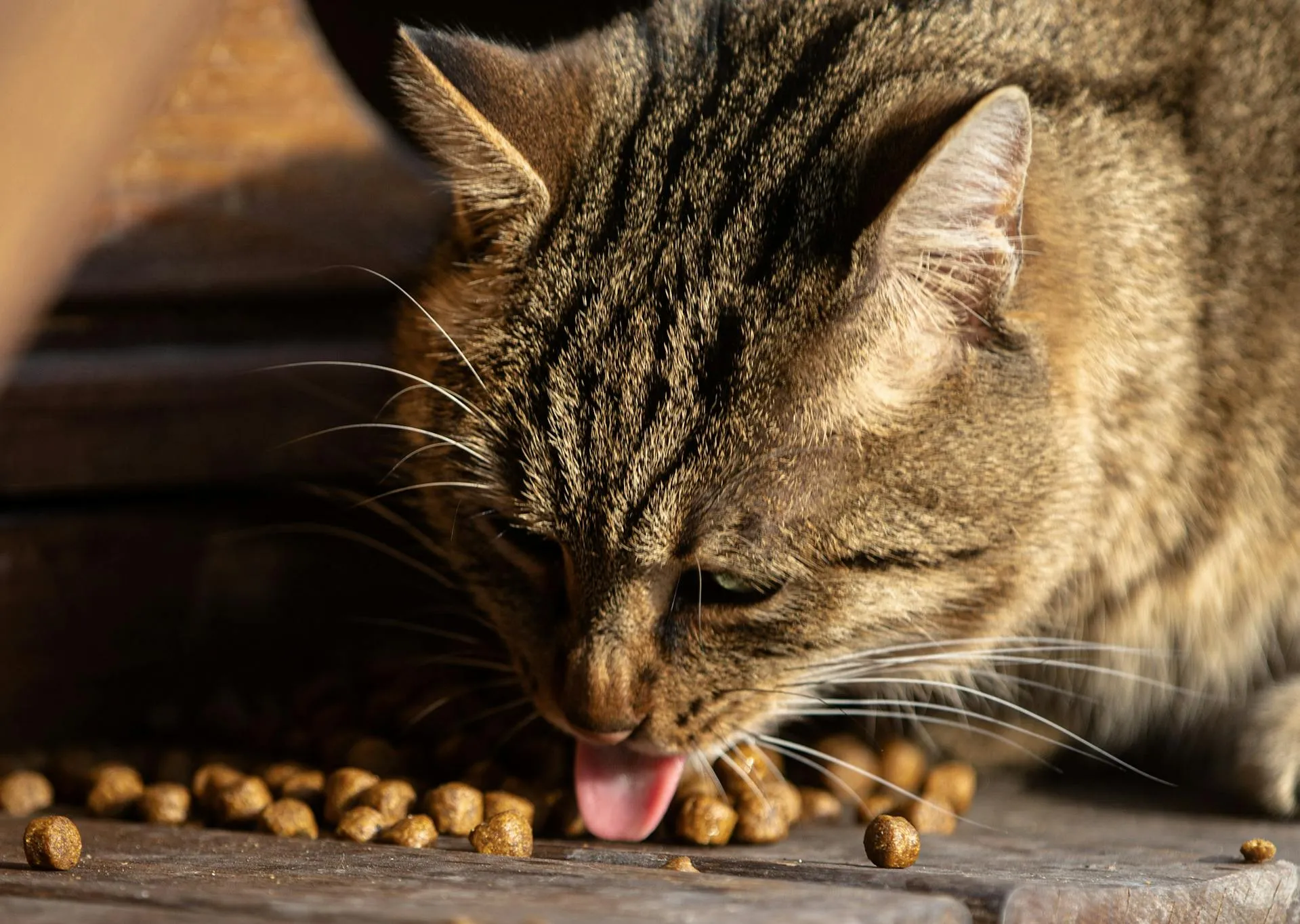
Proper nutrition is fundamental to your cat's health and longevity. Understanding your feline friend's dietary needs can help prevent health issues and ensure they live a happy, healthy life.
Understanding Cat Nutrition Basics
Cats are obligate carnivores, meaning they require nutrients found only in animal tissue. Unlike dogs and humans, cats have evolved to depend on nutrients found specifically in animal tissue to meet their nutritional requirements.
Essential Nutrients for Cats
1. Protein
Cats require significantly more protein than dogs or humans. High-quality animal protein should be the primary ingredient in your cat's diet. Look for named meat sources like chicken, turkey, or fish.
2. Taurine
This amino acid is essential for cats and must be obtained from their diet. Taurine deficiency can lead to serious health problems including heart disease and vision problems.
3. Arachidonic Acid
This fatty acid is found only in animal tissue and is essential for skin health and proper inflammatory response.
4. Vitamin A
Cats cannot convert beta-carotene to vitamin A like other animals, so they must obtain it directly from animal tissue.
Life Stage Considerations
Kittens (0-12 months)
Growing kittens need more calories, protein, and fat than adult cats. Feed kitten-specific food until they reach maturity.
Adult Cats (1-7 years)
Maintain a balanced diet with appropriate portions to prevent obesity while meeting all nutritional needs.
Senior Cats (7+ years)
Older cats may need easily digestible foods and may benefit from diets designed for senior cats with joint support.
Common Feeding Mistakes to Avoid
- Feeding dog food to cats
- Overfeeding treats (should be less than 10% of daily calories)
- Sudden diet changes without transition
- Feeding only dry food without adequate water intake
- Using food as the primary source of affection
Reading Cat Food Labels
When selecting cat food, look for:
- AAFCO (Association of American Feed Control Officials) statement
- Named protein sources as first ingredients
- Appropriate life stage designation
- No excessive fillers or by-products
Remember, every cat is unique. Consult with our veterinary team to develop a nutrition plan that's perfect for your feline friend's specific needs, age, and health status.