
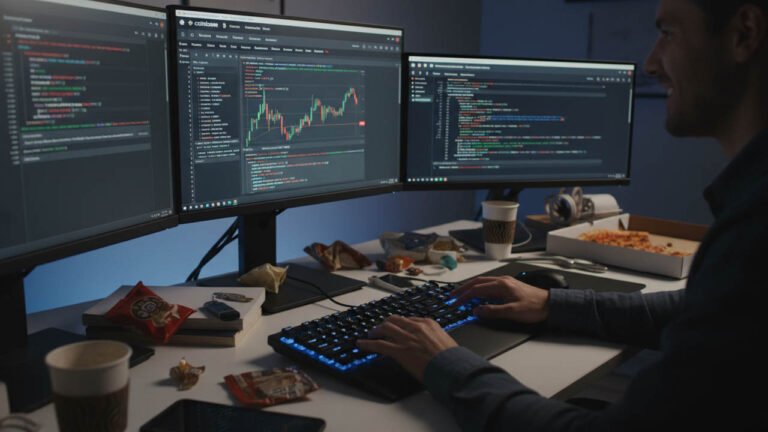
Back in June 2024, I was scrolling through crypto Twitter (yeah, I still call it Twitter) when I stumbled across someone showing off their automated trading setup. They were running multiple bots simultaneously, rebalancing portfolios while they slept, and honestly? I was jealous. I’d been manually trading for years, glued to charts, missing opportunities because I was in meetings or actually trying to have a social life. The idea of having code execute my strategies 24/7 felt like unlocking a superpower.
Fast forward six months, and I’m running three different bot strategies on Coinbase Advanced Trade. My DCA bot has been quietly accumulating ETH during dips. My grid trading setup caught some beautiful volatility swings in November. And my rebalancing bot keeps my portfolio allocations exactly where I want them, no matter how wild the market gets. Best part? I’m sleeping better knowing my strategies are working around the clock.
Why Coinbase Advanced Trade Changed Everything
Here’s what I didn’t expect when I started this journey — the platform itself would be half the story. Coinbase Advanced Trade (formerly Pro) has this robust API that basically lets you connect any trading bot or algorithmic strategy directly to your account. We’re talking about the same infrastructure that professional traders use, but accessible to regular folks like us.
The API documentation is actually readable, which sounds like a low bar, but you’d be surprised how many exchanges make this unnecessarily complicated. I remember spending an entire weekend just trying to authenticate with Binance’s API back in 2022. With Coinbase, I had my first test orders running within a couple of hours. The difference is night and day.
What really sold me was the sandbox environment. You can test your entire setup with fake money before risking anything real. I probably ran a thousand simulated trades before I felt confident enough to go live. That safety net meant I could experiment with different strategies, tweak parameters, and learn from mistakes without the financial stress.
The liquidity on major pairs is excellent, too. When your bot needs to execute a trade, especially during volatile periods, you want to know there’s enough volume to fill your orders at reasonable prices. I’ve never had issues with slippage on ETH, BTC, or any of the top altcoins. Even my grid bot, which places dozens of small orders, gets filled consistently.
The Strategies That Actually Work
Dollar-cost averaging was my gateway drug into automated trading. The concept is dead simple — buy a fixed dollar amount of crypto at regular intervals, regardless of price. But executing it manually for months? Forget about it. I’d get busy, forget to buy during dips, or talk myself out of purchases when prices were rising. My Coinbase trading bot handles all of this without the emotional baggage.
My current DCA setup buys $200 worth of ETH every Tuesday and Friday. Sounds boring? Maybe, but it’s been my most consistent performer. The bot doesn’t care if Ethereum just dropped 15% overnight or if some influencer is screaming about a crash. It just executes the strategy like clockwork. Over six months, my average buy price has been significantly lower than if I’d tried to time entries manually.
Grid trading is where things get really interesting. This strategy places buy and sell orders at predetermined intervals above and below the current price, creating a “grid” of orders. When the price moves up, it sells. When it drops, it buys. In sideways or volatile markets, this can be incredibly effective at capturing profit from price swings.
I set up my first grid on the ETH/USD pair with orders spaced $50 apart, covering a range from $2,000 to $4,000. Every time Ethereum bounced within that range, my bot would buy low and sell high automatically. During the choppy action in September and October, this strategy consistently generated small profits that added up over time. The key insight? Most of crypto trading is waiting for the right opportunities, and bots are way better at patience than humans.
Portfolio rebalancing might be the most underrated strategy in crypto. The idea is maintaining target allocations across different assets — say 50% BTC, 30% ETH, 20% altcoins. As prices move, your allocations drift. A rebalancing bot automatically buys what’s underperforming and sells what’s outperforming, keeping you at your target weights.
This forced me to sell some of my Bitcoin near its highs in November and buy more when it dipped in December. Emotionally, selling BTC during a rally felt wrong, but mathematically it made perfect sense. The bot doesn’t have feelings about missing out on potential gains — it just follows the math.
Setting Up Your First Bot: The Real Talk
Getting started isn’t as technical as you might think, but it’s not exactly plug-and-play either. You’ve got a few different paths depending on your comfort level with technology and how much control you want over the process.
The easiest route is using one of the established bot platforms that integrate with Coinbase Advanced Trade. These services handle the technical infrastructure while letting you configure strategies through web interfaces. You connect your exchange account via API keys (never share your actual login credentials), set your parameters, and let the platform manage execution. The user interfaces are usually pretty intuitive — think more like setting up a new smartphone app than writing code.
I went this route for my first bot because I wanted to focus on strategy rather than debugging Python scripts. The learning curve was manageable, and I could see exactly what the bot was doing through detailed logs and performance metrics. Most platforms charge monthly fees, but honestly, the time savings and consistent execution made it worth every penny.
For the more technically inclined, building custom bots opens up unlimited possibilities. Python has excellent libraries for connecting to crypto exchanges, and the Coinbase API documentation includes code examples to get you started. I’ve been slowly teaching myself this approach for more complex strategies that aren’t available on standard platforms.
The API key setup deserves special attention because security matters here. Coinbase lets you create keys with specific permissions — you typically want trading permissions but definitely not withdrawal permissions. This means even if someone compromised your API keys, they couldn’t move funds off the exchange. I keep my keys in environment variables, never hardcoded in scripts, and regenerate them periodically.
Starting small is crucial. I began with $500 test amounts to make sure everything worked correctly before scaling up. There’s something nerve-wracking about watching an algorithm trade your money for the first time, even when you trust the logic. Those initial small trades helped build confidence in both the technology and my strategy choices.
Backtesting your strategies using historical data is incredibly valuable before going live. Many platforms include this feature, letting you see how your bot would have performed during different market conditions. I spent hours testing my grid parameters against the crazy volatility of early 2024. The results helped me choose spacing between orders and position sizes that could handle both trending and sideways markets.
Final Thoughts
Six months ago, I thought trading bots were either too complicated for regular people or some kind of get-rich-quick scheme. Turns out, they’re just tools — really effective tools for executing consistent strategies without emotional interference. My bots haven’t made me wealthy overnight, but they’ve made me a more disciplined trader and freed up mental energy for other parts of life.
The combination of Coinbase Advanced Trade’s solid infrastructure and the growing ecosystem of bot platforms means this space is more accessible than ever. Whether you’re interested in simple DCA strategies or more sophisticated approaches like grid trading, there’s probably a solution that fits your comfort level and goals. The key is starting small, learning from experience, and letting the technology handle the boring parts of trading while you focus on the bigger picture. Pretty exciting time to be experimenting with automated strategies in crypto.
