

Data regarding the dietary habits of tens of thousands of adults in the United States suggest that those who follow healthful low fat and low carb diets have a lower overall death risk.
“Diet plays an important role in […] public health, and suboptimal diet is estimated as the first leading cause of death and the third leading cause of disability-adjusted life-years lost in the [U.S.],” write Dr. Zhilei Shan — from the Harvard T. H. Chan School of Public Health in Boston, MA — and colleagues in their new study paper.
Their findings now appear in the journal JAMA Internal Medicine.
In their research, Dr. Shan and the team analyzed the data of more than 37,000 people to determine whether or not there were any associations between different diet types and mortality.
More specifically, the investigators wanted to find out if different types of low fat and low carb diet are associated with total mortality.
Although there have been several studies into the links between diet and death risk, the researchers note that — to their knowledge — none have looked specifically at how low carb and low-fat diets of different qualities may fit into the equation.
“Consumption of carbohydrates from refined grains and added sugars have been adversely associated with health outcomes, whereas consumption of carbohydrates from whole grains, nonstarchy vegetables, and whole fruits appears to be beneficial,” explains the study authors.
“Likewise,” they say, “replacing saturated fat with unsaturated fat was associated with a lower risk of heart disease and mortality.”
For these reasons, the investigators thought it was important to identify and emphasize any associations between different diet types, different quality diets, and mortality risk.
For their study, the researchers analyzed the data of 37,233 U.S. adults with a mean age of 49.7 years. The data came from eight cycles of the National Health and Nutrition Examination Survey (NHANES), from 1999 to 2014.
In total, the follow-up period accounted for 297,768 person years. This refers to the amount of follow-up time for all the participants included in the NHANES surveys.
During this time, the researchers recorded a total of 4,866 deaths, of which 849 were related to heart disease and 1,068 were related to cancer.
Using the NHANES reports regarding people’s macronutrient consumption, the researchers were able to infer different diet quality types.
The team found no association between overall low carb and low fat diet scores and total mortality risk.
However, they did find an association between unhealthful low carb and low fat diet scores — indicating adherence to poor quality low fat and low carb diets — and a higher total mortality risk.
On the other hand, better quality low fat and low carb diets were associated with a lower total mortality risk.
The researchers also report that “participants with a higher overall [low carb dirt score] score” — indicative of a poorer quality diet — “were more likely to be older and non-Hispanic white, to have higher [body mass index], educational level, income level, and cholesterol intake, and to have lower total energy intake.”
As for those with higher low fat diet scores, the investigators point out that they tended to be part of an ethnic minority group, to not smoke, to have lower weights, and to have lower cholesterol levels.
When trying to find an explanation for the association between different diet quality types and mortality risk, Dr. Shan and colleagues point out that many biological mechanisms could play a role.
They write, “Fat provides more than twice as much energy as carbohydrates and protein by weight. A high saturated fat diet is highly palatable and may […] [lead] to overconsumption and obesity.”
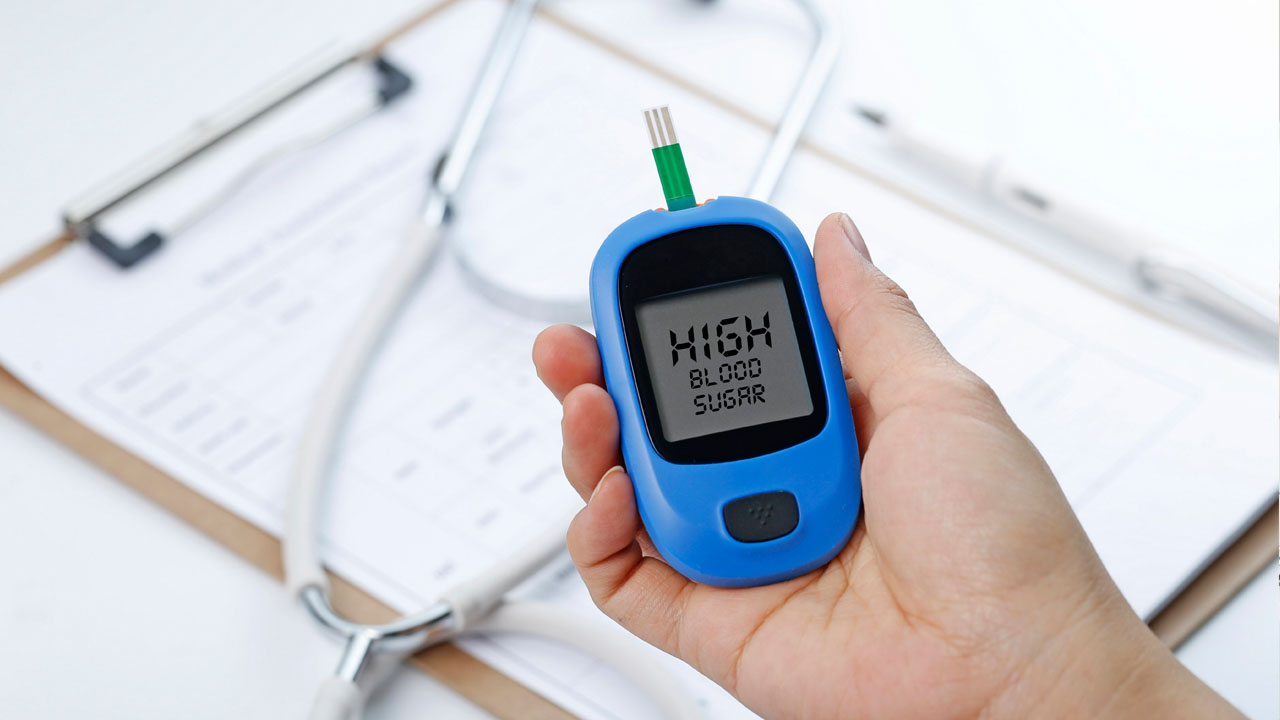
New research shows that artificial intelligence (AI) could someday replace invasive glucose testing. If the technology works, the switch would be particularly significant for individuals with diabetes.
Some recent reports in the media suggest that the pace of AI development is slowing down.
Despite this, AI developers continue to design cutting-edge technology that promises to, someday, make daily life easier for everyone.
Certain AI technologies are being tailored to improve treatments for specific health issues. For example, scientists recently developed an AI system that can detect low blood sugar or hypoglycemia.
The researchers hope that this system will enable patients to measure their blood glucose levels without the need for an invasive method called a finger prick test.
The team recently published the results of a pilot study in the journal Scientific Reports.
For many people, measuring blood glucose currently involves pricking a finger with a needle attached to a device. The blood sample is then analyzed by a continuous glucose monitor (CGM), which often needs to be calibrated at least twice a day.
The process can be difficult, uncomfortable, and inconvenient, especially for children and people who need to test their blood in the middle of the night. As a result, some people are unable to measure their levels as often or as accurately as necessary.
The researchers behind the current study hope that a noninvasive method will help improve compliance rates, particularly among those who need to monitor their glucose levels closely, such as people with diabetes.
The new AI technology was developed at the University of Warwick, in the United Kingdom, and it can detect hypoglycemia using electrocardiogram (ECG) signals from the heart.
In their study, the scientists demonstrated that this new technology is accurate 82% of the time, a rate similar to that of current CGM systems. Senior study author Leandro Pecchia, Ph.D., an associate professor of biomedical engineering at the university, commented:
“Our innovation consisted in using [AI] for automatic detecting [of] hypoglycemia via few ECG beats. This is relevant because ECG can be detected in any circumstance, including sleeping.”
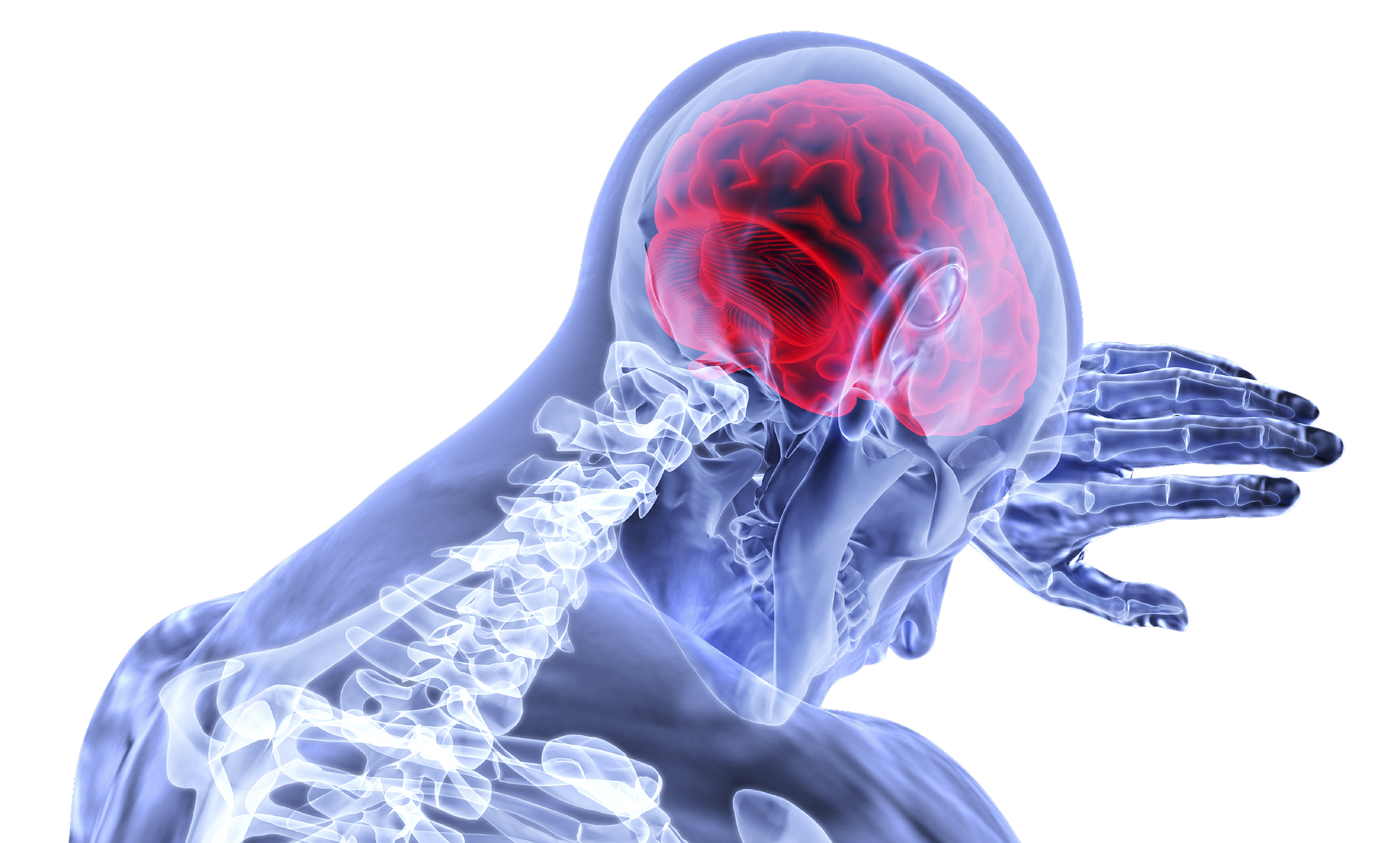
A new study led by researchers found that children who had been exposed to cyberbullying had significantly greater severity of post-traumatic stress disorder (PTSD) than those who had not been subjected to the same.
A new study led by researchers found that children who had been exposed to cyberbullying had significantly greater severity of post-traumatic stress disorder (PTSD) than those who had not been subjected to the same.
Cyberbullying has a great impact on triggering symptoms of post-traumatic stress disorder and depression in young people who were inpatients at an adolescent psychiatric hospital.
The co-author of the paper, Dr. Philip D. Harvey said, “Even against a backdrop of emotional challenges in the kids we studied, we noted cyberbullying had an adverse impact. It’s real and should be assessed. Cyberbullying is possibly more pernicious than other forms of bullying because of its reach.”
The study published in the Journal of Clinical Psychiatry suggested that children who have a history of being abused were more likely to be cyberbullied. This leads to the take that, assessments for childhood trauma should also be included while assessing cyberbullying.
Referance: https://www.dynamitenews.com/story/cyberbullying-linked-with-trauma-depression

U.S. President Donald Trump has offered China any help needed to combat a deadly outbreak of a coronavirus that has killed 81 people.
In a Monday tweet, Trump said, “We are in very close communication with China concerning the virus,” adding, “We have offered China and President Xi (Jinping) any help that is necessary. Our experts are extraordinary!”
Chinese Premier Li Keqiang visited the city of Wuhan on Monday to meet with health officials and examine the response to the outbreak. Wuhan is the center of the outbreak and people there and in several other cities face strict restrictions on movement as the government tries to prevent the virus from spreading.
The head of the World Health Organization, Dr. Tedros Ghebreyesus, arrived Monday in Beijing, where he is expected to meet senior Chinese officials to discuss the outbreak. The agency said there is still a chance to get ahead of the virus if there is strong cooperation.
Beijing authorities also reported the capital’s first death from the virus.
Separately, in an effort to stop the virus from spreading, Mongolia closed its vast border with China, while Hong Kong and Malaysia announced they would ban entry to visitors from Wuhan.
Global stock markets plunged Monday as investors feared the economic impact from the coronavirus.
Chinese officials took an extra step Sunday to extend the Lunar New Year holiday three extra days to cut down on group gatherings.
Global spread
The latest figures reported by Chinese health officials include more than 2,700 cases of people being sickened by the virus.
Cases have also been reported in Australia, Canada, France, Hong Kong, Japan, Macao, Malaysia, Nepal, Portugal, Singapore, South Korea, Taiwan, Thailand, the United States, and Vietnam. The World Health Organization says most of those are people who had a travel history in Wuhan, with several others having contact with someone who traveled there.
There have been no reported deaths linked to the virus outside of China.
The head of the U.S. Centers for Disease Control and Prevention’s respiratory disease office, Nancy Messonnier, said Sunday there were five confirmed cases in the United States, and that all five people had direct contact with others in Wuhan.
The patients are isolated in hospitals as doctors and health officials try to learn more about the virus. The CDC says it is investigating about 100 suspected cases in 26 states.
Chinese National Health Commission Minister Ma Xiaowei said Sunday little is known about the virus. But doctors do know it has an incubation period that can range from one to 14 days. Ma said the virus is infectious during the incubation period when no signs or symptoms of the disease are present.
‘Grave situation’
President Xi Jinping said China is facing a “grave situation” and experts and other resources would be concentrated at specific hospitals to treat severe cases.
The virus is believed to have emerged late last year at a Wuhan seafood market illegally selling wildlife. Chinese authorities have imposed a temporary ban on the selling of wildlife. Wuhan is the capital of China’s Hubei province.
The virus hit China just as it was beginning celebrations to mark the Lunar New Year, resulting in the canceling or the scaling back of festivities for tens of millions of Chinese.
Tourist destinations are closed and school closings have been extended in an effort to stop the spread of the virus. Public transportation has been severely restricted. Many businesses have closed or asked employees to work from home.
Referance: https://www.newdelhitimes.com/trump-offers-china-any-help-to-fight-coronavirus/

Lorem ipsum dolor sit amet, consectetur adipiscing elit, sed do eiusmod tempor incididunt ut labore et dolore magna aliqua. Ut enim ad minim veniam, quis nostrud exercitation ullamco laboris nisi ut aliquip ex ea commodo consequat. Duis aute irure dolor in reprehenderit in voluptate velit esse cillum dolore eu fugiat nulla pariatur. Excepteur sint occaecat cupidatat non proident, sunt in culpa qui officia deserunt mollit anim id est laborum.
Chinese authorities Tuesday said that they mobilized medical personnel to fight fatal coronavirus outbreak but it lacks necessary medical supplies.
As the death toll soared to 106 with cases of people affected by the virus mounting to over 4,500, China’s National Health Commission (NHC) said that more than 10,000 hospital beds have been made available for patients, daily South China Morning Post said.
Addressing a news conference in Beijing, Jiao Yahui, deputy head of the NHC’s medical administration bureau, said that 4,000 medical staff were already deployed in the central Hubei province.
“China is sending about 6,000 medical personnel to Hubei from around the country,” she said, with 1,800 due to arrive by Tuesday evening.
The virus, which originated in Wuhan city, has spread across 30 provinces in the country.
Tens of cases have been reported in Japan, North Korea, South Korea, Thailand, the U.S., Singapore, France, Malaysia, Australia, Vietnam, and Germany.
“Shortage of protective clothing is a well-known problem, and some of our medical personnel are not able to go to the front line yet [because of that],” Jiao said.
The coronavirus causes severe acute respiratory infection. There is no specific cure or vaccine against it.
China’s NHC said that the coronavirus can spread through physical contact, as well. It added that the virus could infect children and infants, “but that their symptoms had been relatively mild.”
This is the second time in 17 years that China is facing a serious health crisis after the 2002-03 outbreak of severe acute respiratory syndrome (SARS), which killed over 770 people around the world after originating from China.
Referance: https://www.aa.com.tr/en/asia-pacific/china-facing-shortage-of-medical-supplies-media-report/1716105
22 Jan, 2019 | A WP Life | No Comments
Strides arm receives EIR for its US facility
The facility is one of the very few manufacturing facilities in the US with a soft gel capsule (SGC) manufacturing suite for formulations with containment needs, it said.
Strides have a portfolio of approved SGCs in the US and other regulated markets.
“The inspection outcome will bolster the company’s fast-growing SGC franchise in the US and will also help accelerate our foray into the private label opportunity with ‘in the market for market’ products,” the filing said.
Strides will kickstart the site transfers of its existing SGC portfolio to the site with immediate effect.
In the future, the company said, it plans to expand additional dosage format suites at the Florida facility, which will mirror the capabilities of its formulations facility in Singapore and will help the company to tap opportunities under various federal government procurement programs, including procurements administered by the Department of Veterans Affairs.
Shares of Strides Pharma Science were trading 0.96 percent higher at Rs 390.50 apiece on the BSE in morning trade.

CAN you touch your toes or do you find your fingers reach only as far as your knees? Flexibility declines sharply with age and the natural suppleness of youth will quickly disappear if efforts aren’t made to preserve it. The effects can be profound — as we move less freely, the risk of injury rises and our posture deteriorates.
A 2013 study from the University of Western Ontario showed that the average drop in the flexibility of hip and shoulder joints to be about six degrees each decade from a person’s mid-50 onwards. And the outcome can be limiting — the less flexible we are, the worse our posture and the more inhibited our movement patterns. Breathing, digestion and stress levels can all worsen when we become stiff and inflexible.
Suzanne Wylde, the author of Moving Stretch (Lotus) says the longer you ignore it, the worse things get. “When we are tight it puts more wear and tear on our joints,” says Wylde. “And declining flexibility is compounded by inactivity because as we move less, we develop more tightness and restriction — causing more aches and pains.”

Black-eyed peas, also known as cowpeas, are a common legume cultivated around the globe.
Despite their name, black-eyed peas are not peas but rather a type of bean.
They’re generally very pale in color and feature a large black, brown, or red spot that resembles an eye.
Black-eyed peas have a strong, savory flavor and are often considered a staple in both Indian and traditional Southern cuisine.
This article reviews the nutrition facts, benefits, and uses of black-eyed peas.
They’re also a good source of several important micronutrients, including folate, copper, thiamine, and iron.
One cup (170 grams) of cooked black-eyed peas contains the following nutrients:
- Calories: 194
- Protein: 13 grams
- Fat: 0.9 grams
- Carbs: 35 grams
- Fiber: 11 grams
- Folate: 88% of the DV
- Copper: 50% of the DV
- Thiamine: 28% of the DV
- Iron: 23% of the DV
- Phosphorus: 21% of the DV
- Magnesium: 21% of the DV
- Zinc: 20% of the DV
- Potassium: 10% of the DV
- Vitamin B6: 10% of the DV
- Selenium: 8% of the DV
- Riboflavin: 7% of the DV
In addition to the nutrients listed above, black-eyed peas are high in polyphenols, which are compounds that act as antioxidants in the body to prevent cell damage and protect against disease (2Trusted Source).
Referance: https://www.healthline.com/nutrition/black-eyed-peas-nutrition
22 Jan, 2019 | A WP Life | No Comments
AI Powers Personalized Medicine Approach to Detecting Hypoglycemia
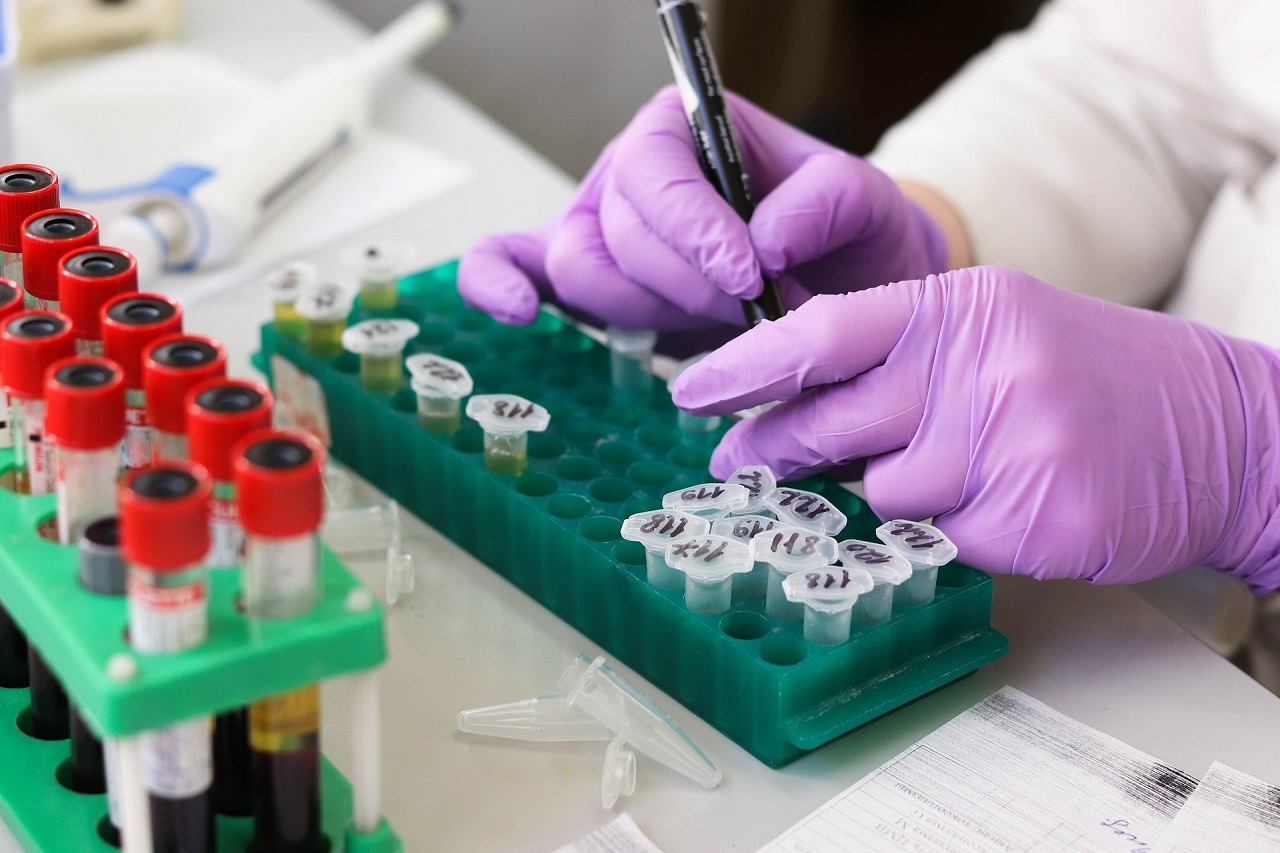
Most patients with diabetes still rely on finger-prick blood tests to measure their glucose levels. Some use wearable continuous glucose monitors, but even those typically require twice daily calibrations against the finger-prick method. It has been known for a while that an electrocardiogram (ECG) can show signs of abnormal glucose levels, but the reliability of this method has been hampered by the individual responses that different patients exhibit in their ECG waveforms.
Now, researchers at the University of Warwick in the UK have shown that they can detect dangerous hypoglycemic events with an accuracy of 82% by simply analyzing ECG graphs generated by a commercially available wearable device (Medtronic Zephyr BioPatch HP). This is comparable to the current capabilities of invasive continuous glucometers. If these results are confirmed in more extensive studies, the technology may help with pediatric patients, aid in preventing hypoglycemia during sleep, and lead to a major improvement in the quality of life for many patients with diabetes.
The new system relies on a deep learning approach that can identify how the heartbeats of different people are affected by hypoglycemia. The ECG signals of each patient are recorded and hypoglycemic events noted using traditional means. Given enough data, the Warwick system notices the ECG signal biomarkers that come up in cases of hypoglycemia, which it can spot during subsequent analysis. Making things easier for clinicians is an annotative approach that makes sure that the aspects of the ECG that point to hypoglycemia are highlighted.

Prior studies have shown that abdominal obesity is an important risk factor for having a first heart attack. But until now, the association between abdominal obesity and the risk of a subsequent heart attack or stroke was unknown.
The research, published in the European Journal of Preventive Cardiology, followed more than 22,000 patients after their first heart attack and investigated the relation between abdominal obesity (measured by waist circumference) and the risk for recurrent cardiovascular disease events.
The researchers specifically looked at events caused by clogged arteries, such as fatal and non-fatal heart attacks and stroke.
Patients were recruited from the nationwide SWEDEHEART registry and followed for a median of 3.8 years.
Most patients — 78 percent of men and 90 percent of women — had abdominal obesity (waist circumference 94 cm or above for men and 80 cm or above for women).
Increasing abdominal obesity was independently associated with fatal and non-fatal heart attacks and strokes, regardless of other risk factors (such as smoking, diabetes, hypertension, blood pressure, blood lipids and body mass index [BMI]) and secondary prevention treatments.
Referance: https://www.nationalheraldindia.com/health/belly-fat-may-lead-to-multiple-heart-attacks